

Here's something that probably caught your attention: Knowledge Panels show up for nearly 99% of top global brands on Google. That's not a small thing.
If someone searches your brand name and a well-structured info box appears instantly on the right side of the screen, it tells people you're legit. It tells them you matter. And honestly, it does that before a single link gets clicked.
So, what is Google Knowledge Panel Exactly? You can think of it like a quick reference card by Google. It’s a dynamic info box that appears on the right side of the search results, powered by something called the Knowledge Graph.
It takes information from trusted sources such as Wikipedia, official websites, and verified profiles, and shows people the most details about brands, people, and places.
The interesting part? The panel doesn’t require a click to build trust. If you are in digital marketing or outreach, this means instant credibility.
For outreach campaigns, that kind of brand authority can be the difference between a guest post pitch that gets ignored and one that gets a yes.
What Is Knowledge Panel?
A Google Knowledge Panel is a structured SERP box. Simpler? This isn’t an ad or a featured snippet. It shows up in the search results directly.
It Includes:
- Your logo
- A short description
- And links to your website, social profiles
- Related entities
- Sometimes key facts/photos.
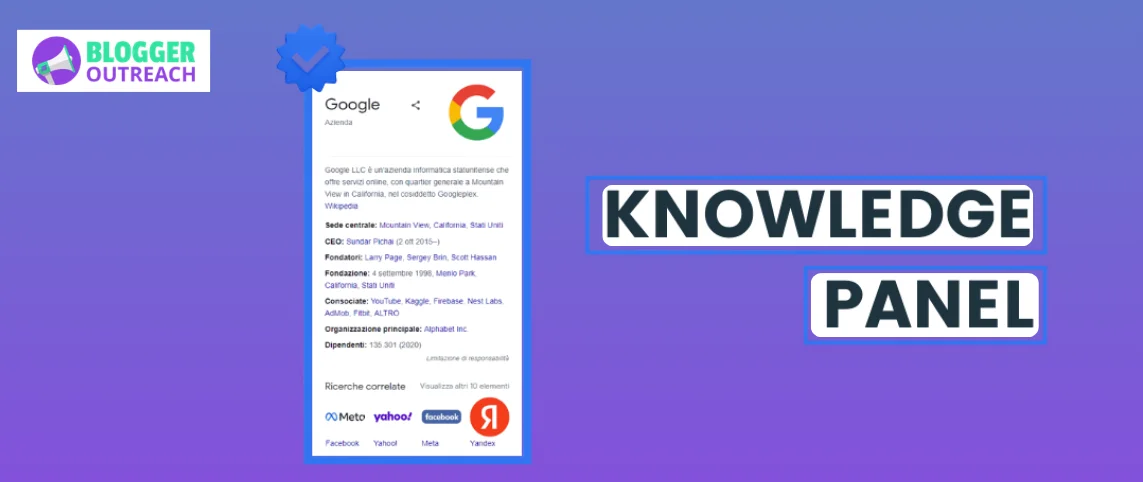
Here’s An Example:
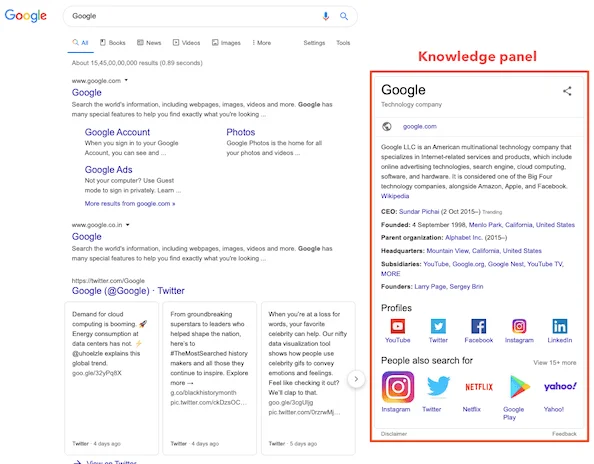
And the sources? Well, Google pulls all that information from the Knowledge Graph, which is typically a massive database of entities and relations hsip between them.
Wikipedia, Wikidata, and authoritative third-party sites feed into this graph. So, the better you position yourself across those platforms, the better the chances you have of getting a more complete and accurate panel.
Bad news? You can’t pay Google to give you a knowledge panel.
Good news: you can earn one by positioning your content across different platforms and keeping your business properly optimized for targeted searches. The right content and SEO strategy help trigger a knowledge panel.
Knowledge Panel vs Knowledge Graph
Many people confuse Google Knowledge Panel with Google Knowledge Graph, but they are not the same thing.
A Google Knowledge Panel is the visible information box users see in search results. The Google Knowledge Graph is the underlying database that stores entities, facts, and relationships between them.
Think of the Knowledge Graph as the engine, while the Knowledge Panel is the visual output users interact with on Google Search.
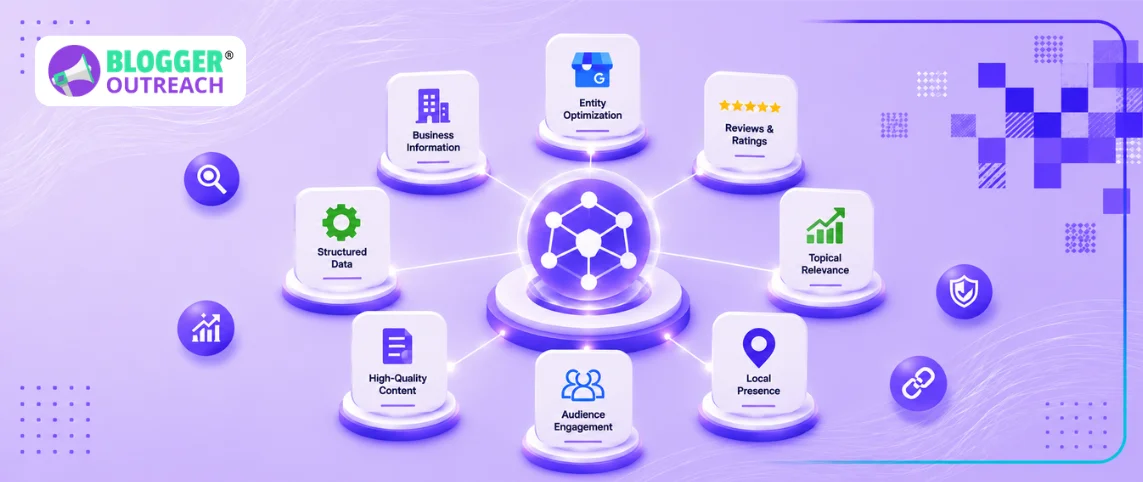
The Knowledge Graph connects brands, people, organizations, locations, websites, and topics through entity relationships. This is why entity SEO and structured data optimization are becoming increasingly important for modern SEO strategies.
What Triggers A Google Knowledge Panel?
Great question, and the answer might surprise you. There is no form to fill out, no application button, no fee.
Google auto-generates panels based on something called entity recognition. What does that mean in plain English?
Google needs to get consistent and authoritative signals suggesting that your brand exists and is notable.
Here’s Where To Start:
- A Wikipedia page showing credibility.
- Consistent NAP data (Name, address, phone number).
- And social proof from different social media profiles and forums.
Strong branding and quality backlinks round it out. Basically, the more clearly defined and well-represented your entity is online, the more likely Google is to generate a panel for it.
Brand Visibility And Why It Actually Matters
Here’s something we find genuinely fascinating:
Knowledge Panels dominate what’s called the right-rail space on desktop search results. That right column? It’s prime real estate.
Studies show that the majority of user attention is concentrated above the fold, with roughly 70–75% of users rarely engaging beyond the first visible screen or first page of results.
People get what they need right from what’s visible. With a panel that shows your logo, business description, and social links, your brand is right infront of your audience.
There’s also a geo-agnostic angle to consider. Unlike some local SEO strategies that only work within a city or country, a Knowledge Panel works everywhere. Someone searching for your brand in Mumbai sees the same panel as someone in Manchester.
That’s powerful for businesses thinking about international outreach or scaling campaigns across borders.
And if you’re building for the future, panels are increasingly feeding into AI-powered search. When Google’s generative AI tools pull data for responses, they lean heavily on entity data from the Knowledge Graph.
Getting into that graph now isn’t just good for today; it’s building a foundation for where search is clearly heading.
Does A Knowledge Panel Improve SEO rankings?
Not directly. But a knowledge panel improves your SEO visibility indirectly. Don’t take a panel like a single ranking factor.
Instead, It’s A By Product Of:
- Right SEO practices
- Strong E-E-A-T signals
- High-quality backlinks
- And well-defined entity presence.
This panel is a strong trust signal sent to your audience, and it increases audience dwell time, motivating them to engage with your content more.
With a Google Knowledge Panel, it’s proven that your website is sending signals of SEO done right, and those behavioral signals matter to Google. So while the panel isn’t a magic SEO lever, building toward one puts you on the right track in multiple ways.
How Knowledge Panels Influence AI Search And Google AI Overviews?
Knowledge Panels are becoming increasingly important in AI-powered search experiences.
Google AI Overviews and generative search systems rely heavily on trusted entity data from the Google Knowledge Graph. When your brand becomes a recognized entity, Google is more likely to use your information in AI-generated answers.
This Creates Several Advantages:
- Higher brand visibility in AI search.
- Increased authority signals.
- Better trust for E-E-A-T evaluation.
- More chances of being cited in generative search results.
- Improved semantic relevance across related topics.
As AI search continues evolving in 2026, entity optimization and Knowledge Panel SEO are becoming critical long-term visibility strategies.
How Knowledge Panels Benefit Brands And Outreach Professionals
| Benefit | Impact on Brands | Outreach Tie-In |
| Prime SERP Real Estate | Pushes competitors further down the page | Makes high-DA guest post pitches easier to land |
| Instant Credibility | Builds trust before any click happens | Leverages authority for influencer collabs |
| AI Visibility | Feeds into generative search responses | Future-proofs your link building strategy |
| Global Reach | No geographic limitations | Scales international outreach campaigns easily |
How To Get The Knowledge Panel & Optimize it?
Alright, so you’re convinced. Let’s talk about how to actually do knowledge panel SEO.
Where To Start: Start by searching your brand name on Google. If a panel already appears but shows ‘Claim this knowledge panel,’ that’s your cue. Google Search Console lets you verify ownership through your site or domain profile. Once verified, you can suggest edits directly. Without that step, you’re just a bystander watching someone else represent your brand.
Work On The Fundamentals: If no panel exists yet, the work is more foundational. You need to build the signals that Google looks for. That means getting a Wikipedia page if you qualify, maintaining consistent branding across every platform, and earning quality backlinks from authoritative sites.
Wikidata is worth paying attention to, too. It’s one of the most direct ways to establish your entity in the Knowledge Graph.
Work With BloggerOutreach.io: For outreach professionals, this is where platforms like BloggerOutreach.io come into play. We help you get your brand mentions on high-authority platforms and niche-relevant sites.
The right backlinks from high-quality domains send signals that push Google toward recognizing and showing your entity. It’s not just about the links themselves. It’s about building a presence that Google sees as worth surfacing.
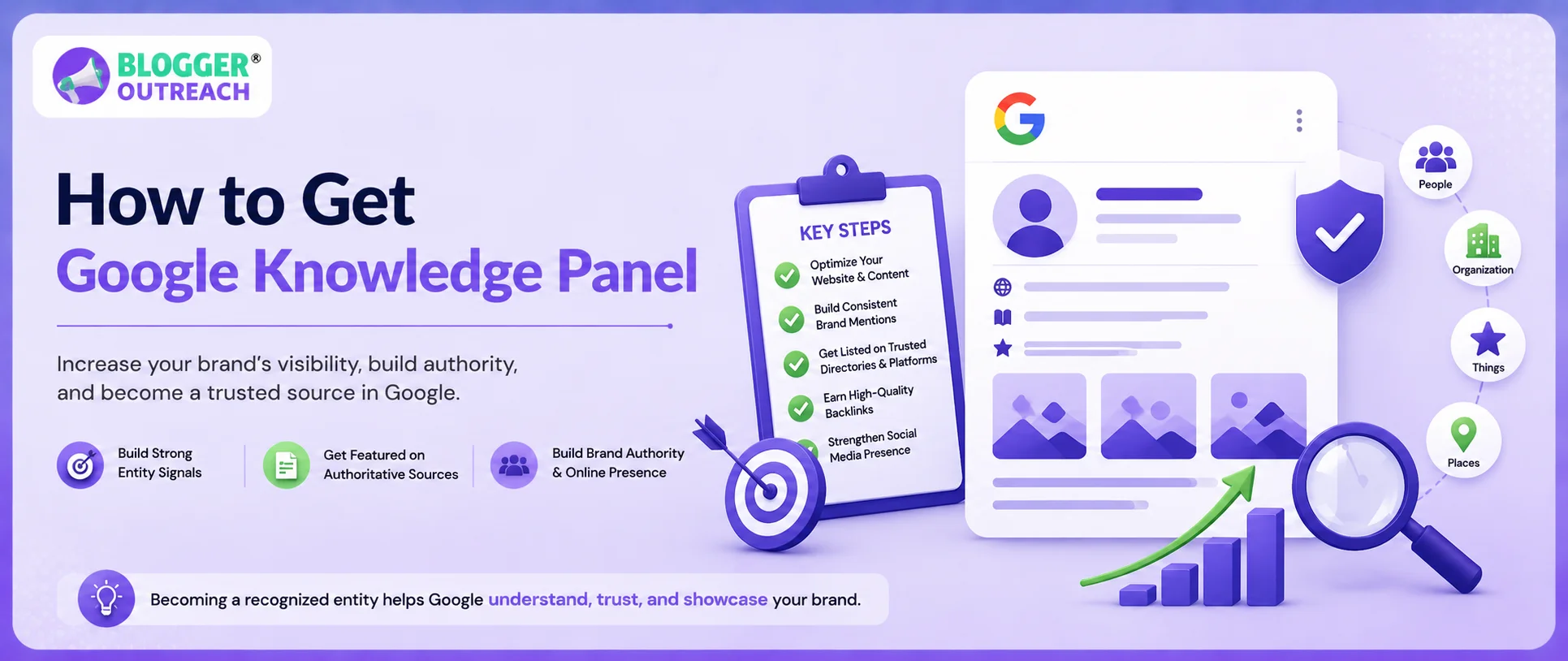
Step-by-Step Process To Get A Google Knowledge Panel
2. Create Consistent NAP Information: Your business name, address, and phone number should remain identical across all platforms and directories.
3. Implement Structured Data Markup: Add Organization Schema or Person Schema using JSON-LD format to help Google understand your entity better.
5. Create Wikidata Presence: Wikidata entries help Google connect your brand with the Knowledge Graph ecosystem.
8. Claim Your Knowledge Panel: Once your panel appears, claim and verify ownership through Google to manage updates and suggestions.
How Long Does It Take To Get A Knowledge Panel?
There’s no set timeline, and anyone telling you otherwise is guessing. Realistically, it takes anywhere from a few weeks to several months. The speed depends largely on how strong your entity signals are to begin with.
If you already have a Wikipedia page, solid backlinks, and consistent brand data across the web, things move faster. If you’re starting from scratch, focus on building E-E-A-T content first and be patient. These things aren’t rushed.
Can Anyone Get A Knowledge Panel?
Not quite. Google only generates panels for notable entities. That could be a well-known brand, a public figure, an established organization, or a recognizable place. The keyword is ‘notable.’ If your brand is relatively new or has minimal online presence, a panel probably won’t appear yet.
But that’s exactly why building authority consistently matters so much. You’re working toward a threshold, and once you cross it, the panel follows.
Common Reasons Why Google Knowledge Panels Do Not Appear
There are several reasons why Google may not generate a Knowledge Panel for a business or person yet:
- Weak online authority
- Inconsistent brand information
- Lack of authoritative backlinks
- Missing structured data
- No entity presence on trusted sources
- Low media visibility
- Minimal branded searches
- Duplicate entity confusion
- Poor E-E-A-T signals
Building a Knowledge Panel requires long-term authority building rather than short-term SEO tricks.
Google Knowledge Panel vs Featured Snippet
A Google Knowledge Panel and Featured Snippet serve different purposes in search results.
| Feature | Google Knowledge Panel | Featured Snippet |
| Purpose | Entity information | Direct query answer |
| Location | Right side of SERP | Top organic results |
| Source | Knowledge Graph | Indexed webpages |
| Trigger | Entity recognition | Search query optimization |
| Focus | Brands, people, organizations | Informational content |
Featured snippets answer questions directly, while Knowledge Panels establish entity trust and authority.
Actionable Tips For Outreach Professionals
If you’re working in SEO or digital outreach and you want to either earn a panel or strengthen an existing one, here’s where to focus your energy:
Audit your brand mentions across the web. Inconsistent information, wrong addresses, old names, and mismatched social handles are actively working against you. Clean that up first.
Guest post on niche-relevant, high-authority sites. These mentions build Knowledge Graph signals in ways that generic link farms simply cannot. Quality and relevance genuinely matter here.
Set up Google Alerts for your brand name. When new mentions appear, review them. If something inaccurate is being indexed, that can feed the wrong data into your panel.
Update your Wikidata entry if one exists. This is an often overlooked lever. Accurate, well-sourced Wikidata records directly influence what Google pulls into a panel.
Build relationships with journalists and bloggers in your space. Earned media coverage from credible sources carries far more weight than any self-submitted claim.
Frequently Asked Questions:
A: Yes. Google Knowledge Panels are generated automatically and cannot be purchased.
A: Yes, but they need strong entity signals, consistent branding, and authoritative mentions online.
A: No, but Wikipedia significantly increases the chances because it is a highly trusted entity source.
A: Once you claim your panel, you can suggest edits and updates to Google.
A: It can take anywhere from several weeks to several months, depending on authority and entity signals.
A: Yes. Structured data helps Google understand entity relationships and improves Knowledge Graph recognition.
A: Yes. AI Overviews and generative search systems frequently rely on Knowledge Graph entity information.
From SEO To Visibility
Therefore, if you’re in the IT or any other industry and trying to up your branding game, your Google Knowledge Panel matters. It’s time to start working on things that look subtle on the surface but have significant weight in how the audience sees your brand when they Google you.
However, it’s also critical to remember that a Google Knowledge Panel isn’t purchased; it’s earned. Work on your SEO, your backlinking strategy, earn authoritative mentions, and keep your brand data clean and unified. Then, let Google connect the dots. It’s not overnight work, but it compounds over time.
Want to strengthen your brand authority and improve your chances of earning a Google Knowledge Panel? Explore our guides on Wikipedia SEO, entity optimization, and digital PR strategies to build long-term online visibility.