

Truth be told, most people don’t look for sites like Wikipedia just to read about ancient Roman emperors. They want to know where their brand can exist on the internet in a way that feels credible, trustworthy, and, ideally, something Google actually notices.
And that's a very different question.
Wikipedia is one critical part of a much bigger digital game. If you want to build authority online, you can’t leave things to hope. You can’t hope that somebody will create a Wikipedia page for you.
So if you've been thinking about brand credibility, knowledge panels, or just getting your business to feel more "real" on the web, this is the guide you actually need.
What People Usually Mean By "Sites Like Wikipedia"
Here's where it gets interesting. Some folks want a straight-up encyclopedia alternative, somewhere their brand, product, or founder can have a structured profile that reads like a wiki entry.
Others are after something more tactical: platforms that feed Google's knowledge graph, influence trust signals, or show up in branded search results.
Both are valid goals. And they require slightly different platforms.
Open-wiki style sites are great for structured, factual information. But they're not always the best move for brand authority. It’s the best move, especially if your company is new, doesn't meet notability guidelines, or just isn't big enough to have a Wikipedia editor create a page for you. (Which, honestly, is most businesses.)
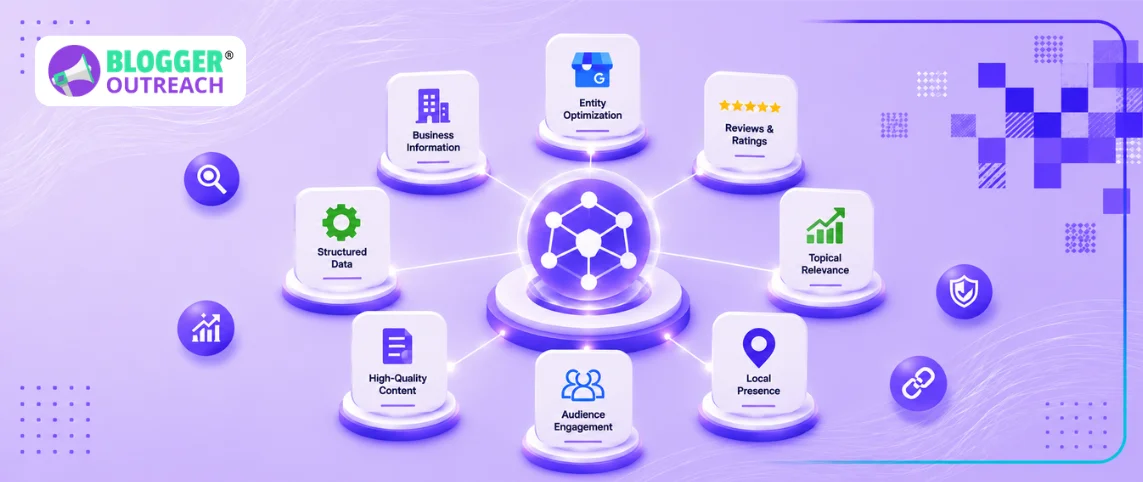
What actually works better, and more reliably, is a layered approach. Wikipedia-style knowledge platforms plus structured business profiles plus earned media and PR coverage. That combination is what tells Google, "Hey, this entity is real, consistent, and worth surfacing."
Best Sites Like Wikipedia For Brand Authority
Here's what you actually came for. And look, not everything on this list is a wiki-style site, but that's kind of the whole point.
Each one does something a little different, and honestly, using them together does way more for your online presence than any single page ever could.
1. Wikidata
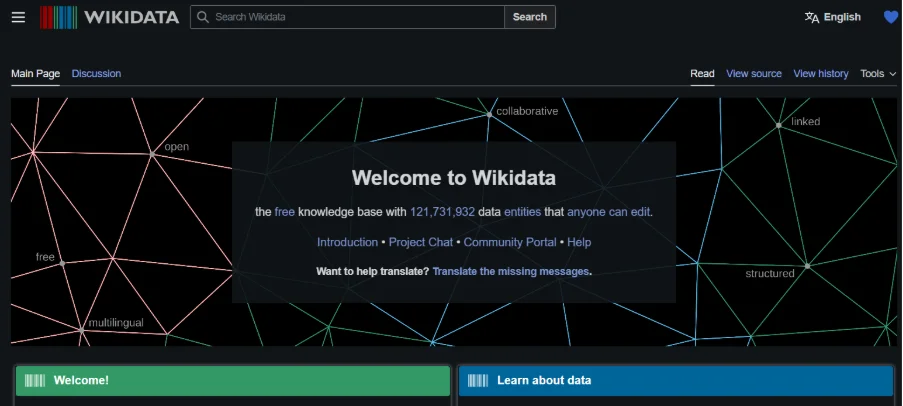
If you do nothing else from this list, do this one. Seriously.
Wikidata is the structured data engine running quietly behind Wikipedia. It’s built and maintained by the Wikimedia Foundation. It’s simply why Google's knowledge panels can pull clean, verified facts about individuals, companies, places, and concepts.
When you get your business on Wikidata, you are helping Google understand who you are as an entity. Wikidata plugs directly into Google’s Knowledge Graph. Also, it’s free and isn’t as uptight as Wikipedia's notability rules.
You don’t have to be a high-authority platform like Apple or Nike. As long as you are a real, verifiable entity in the world, Wikidata will value you.
2. Wikitia
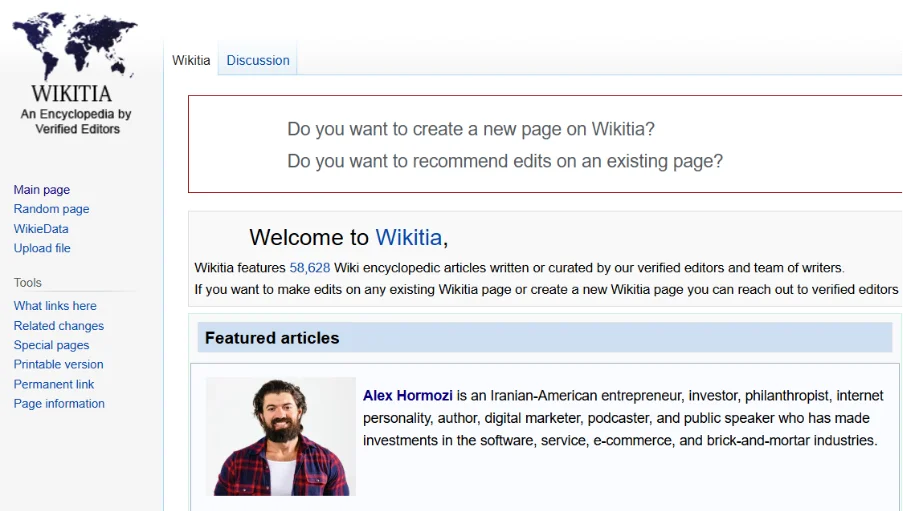
Think of this as Wikipedia's more relaxed cousin. Wikitia is an open-content encyclopedia that doesn't immediately shut the door in your face if you're not globally famous. Plus, it literally resembles Wikipedia and has some special perks if you’re looking for sites like Wikipedia.
If your brand, founder, or a key executive has some legitimate mentions floating around online, Wikitia lets you build a structured page that looks and feels like Wikipedia, without the constant anxiety of a deletion notice.
It won't carry the same authority as Wikipedia itself, but it adds to your brand's overall digital footprint. Worth doing.
3. Crunchbase
For startups and B2B companies? Non-negotiable. Full stop.
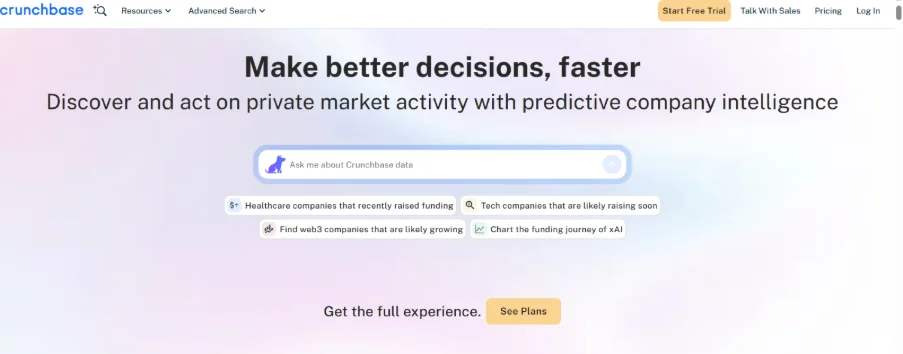
Crunchbase is one of the most trusted business databases, and it shows up in branded searches all the time. Investors check it. Journalists check it. Is that potential client doing a quick background search before a call? They're checking it too.
A solid, well-maintained profile, funding history, team details, industry tags, and a tight description do a lot of quiet, unglamorous work for your brand's credibility. And the links from Crunchbase actually carry real weight.
4. LinkedIn Company Page
You already know LinkedIn matters. But it's worth saying plainly: a fully built-out LinkedIn company page is one of the best free authority signals available to you, especially if you’re looking for sites like Wikipedia.
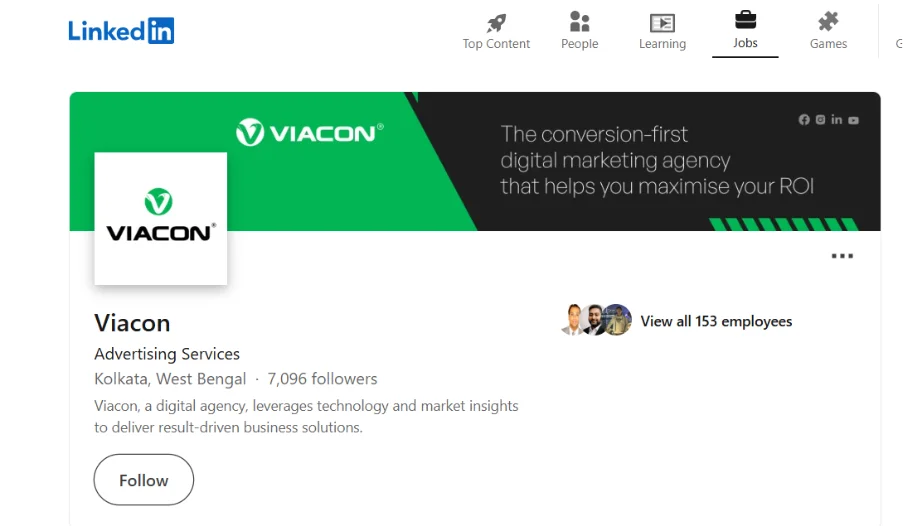
Google genuinely trusts LinkedIn, and a strong, active page sends steady signals that your brand is real and legitimate.
Don't leave it half-finished with a logo and nothing else. Fill in every field. Post occasionally. Make sure your employees actually list it as their workplace. Small things, big difference.
5. Google Business Profile
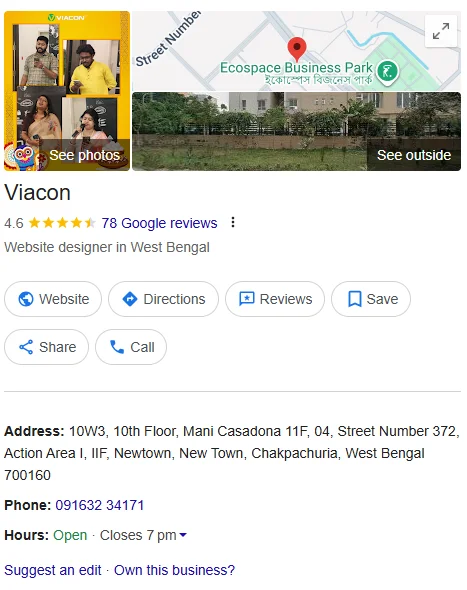
For service businesses and local companies, this one's foundational, like, before-anything-else foundational. Your GBP directly shapes how your brand shows up in search: knowledge panels, map rankings, and how reviews are surfaced.
Even if you're not a "local" business in the traditional sense, a verified profile helps Google confirm that you're an operating entity. Takes maybe an afternoon to set up properly and keeps paying off for years.
6. Better Business Bureau (BBB), Yelp, And Foursquare



Okay, these aren't exactly glamorous. But entity trust is built partly through consistent citations across reputable directories, not just one flashy listing. The BBB carries credibility signals that Google associates with real, established businesses.
Yelp matters for consumer-facing brands even if you're not in food or hospitality. And Foursquare? Surprisingly, its data feeds into many third-party apps and location platforms that most people have never even heard of. Keeping your info accurate across these costs almost no effort and quietly strengthens your brand's overall consistency.
7. Scholarpedia And Citizendium
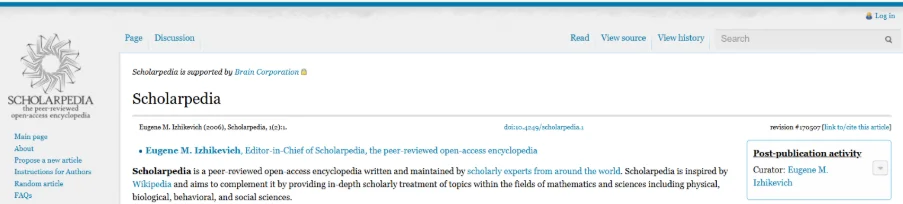
These are niche picks, and won’t work for everyone. Scholarpedia is an expert-reviewed wiki focused on scientific and academic topics, so if you’re in biotech, research, or anything technically complex, it’s worth a look.
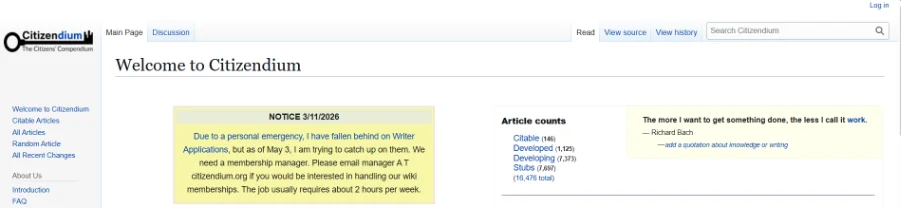
Citizendium takes a more traditional wiki approach but puts a real emphasis on editorial accountability, which gives it a different kind of credibility.
Neither is going to transform your authority overnight. But if your subject matter fits, they’re genuinely worth contributing to, both for the visibility and the quality of the citation itself.
Which Platforms Actually Help With Google Visibility
This is where strategy matters more than just “having profiles everywhere.”
Wikidata is probably the single most impactful platform for Google’s entity recognition. When Google sees consistent, structured data about your brand, name, founding date, industry, and key people across Wikidata and your own website, it becomes more confident in surfacing your knowledge panel.
Google Business Profile is the most direct lever for local and service brands. It’s the one thing you control that most directly affects the appearance of branded search results.
And then there’s the consistency principle. If your brand name, description, founding date, and key people are consistent across LinkedIn, Crunchbase, your website, and Wikidata, that coherence is itself a trust signal.
It tells search engines your entity is stable and legitimate. One mismatched description or an outdated team listing can quietly undermine that.
PR And Content Channels That Build Real Credibility
You are getting a page for your business on Wikipedia and exploring all other similar platforms to build credibility. Good. But, don’t stop there. PR and editorial coverage remain critical in today’s digital world for building authority.
Backlinks are one of the reasons. Plus, Google’s E-E-A-T standards that help your business get recognized still value external coverage as a strong signals of credibility.
Guest posts on niche publications: Guest posts are still relevant, as Google Search is. When you get your business mentioned in a respected publication,
It Does Two Things Right:
- First, it places your brand voice in a context the audience already trusts.
- Second, it creates a citation that reinforces your entity across the web.
Done right, a bylined article in a respected industry publication does two things: it places your brand’s voice in a context your audience already trusts, and it creates a citation that reinforces your entity across the web.
Founder and executive interviews: Podcasts, Q&As, and profile features are underrated. When a founder is quoted in industry media or appears on a well-known podcast, that coverage gets indexed, and it adds another layer of legitimacy to your brand’s digital presence.
Medium publications: Medium’s domain authority is genuinely high, and well-written pieces published on established Medium publications can rank for competitive terms. It’s not a silver bullet, but it’s a legitimate part of the content mix.
Quora and Reddit: These feel less “authoritative,” but they’re places where real humans discuss real problems. Contributing genuinely useful answers on Quora (especially in your area of expertise) can drive traffic and, more importantly, demonstrate that real people associate your brand with credible knowledge.
Best Options By Brand Type
Not every platform makes sense for every business. Here’s a quick breakdown:
Startups and tech companies: Crunchbase is your first stop. Then, Wikidata, LinkedIn, and AngelList. Pair that with a few well-placed guest posts in your vertical.
Local and service businesses: Google Business Profile is non-negotiable. Add BBB, Yelp, and any industry-specific directories relevant to your trade. Keep NAP (name, address, phone number) consistent everywhere.
Consultants, founders, and solo experts: Your personal brand matters as much as your company. Invest in LinkedIn, build a consistent author bio across guest post publications, and consider a podcast or two. Medium can work well here, too.
Niche technical or Web3 brands: Look into thematic wikis and structured knowledge databases relevant to your space. There are specialized wikis for almost every technical niche, from blockchain to biotech, and getting listed in the right ones signals expertise to both humans and search engines.
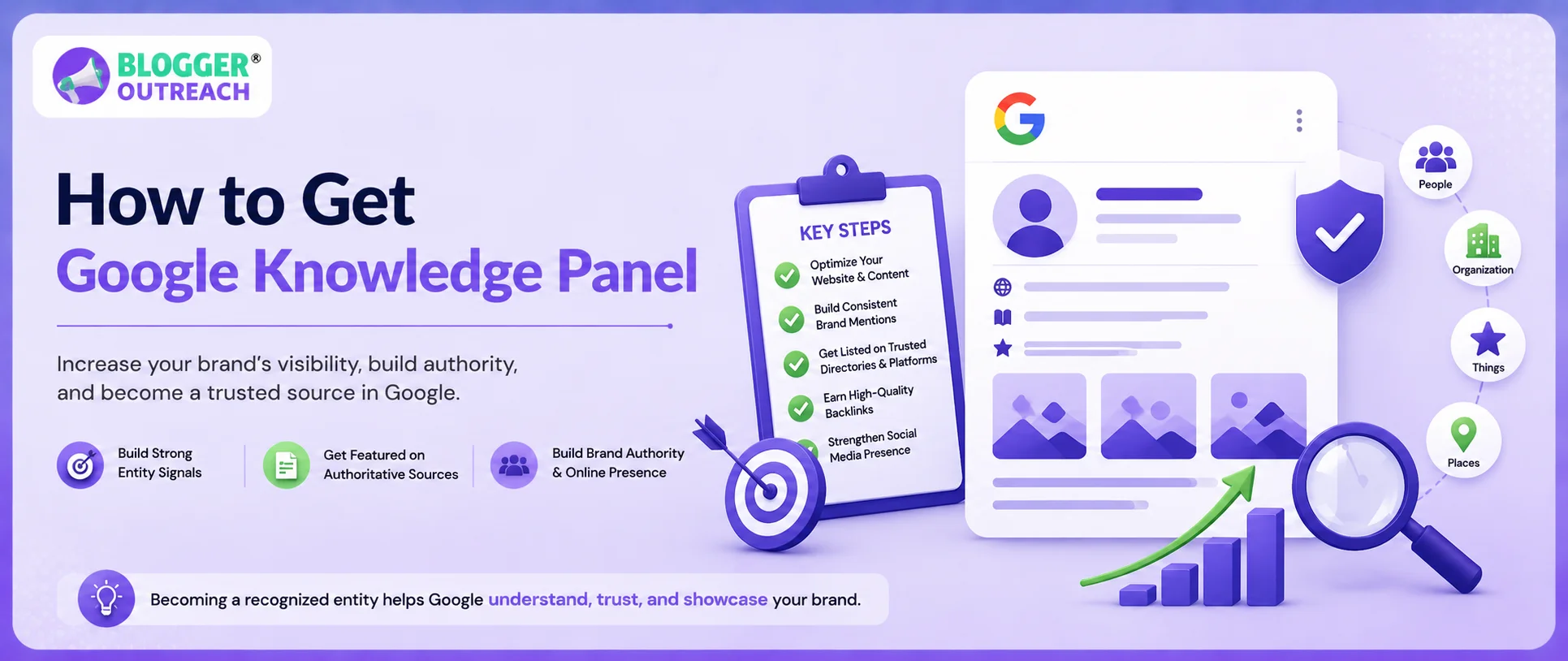
How To Build Brand Authority The Right Way
There’s no shortcut here, but there is a logical sequence.
Start with what you own. Your website, your author bios, and your About page need to be consistent, complete, and crawlable. They’re your baseline.
Then build your third-party presence. Add structured profiles on Crunchbase, LinkedIn, Google Business Profile, and Wikidata, and other sites like Wikipedia. Make sure your brand description, founding year, industry, and key people are identical (or very close) across all of them.
After that, earn independent mentions. Guest posts, podcast appearances, and press features are the citations that third-party sources didn’t have to give you, which is exactly why Google values them.
Finally, connect everything with schema markup. Using the sameAs schema on your website to link to your Crunchbase, LinkedIn, Wikidata, and other profiles tells search engines that all these entities are the same real-world brand. It’s a small technical step that makes a noticeable difference in entity recognition.
Mistakes That Quietly Kill Your Authority
Creating thin profiles. A Crunchbase page with two lines and a logo isn’t doing much for you. Fill it out completely, keep it updated, and treat it like it matters, because to Google’s crawlers, it does.
Inconsistent brand information. If your company is called “Acme Technologies” on your website but “Acme Tech” on LinkedIn and “Acme Technologies, Inc.” on Crunchbase, that’s confusing to both humans and search engines. Pick a canonical name and stick with it.
Chasing low-quality wiki sites. There are dozens of wiki directories that claim to carry authority but don’t. Getting listed on spammy, low-quality wiki farms can actually hurt your credibility. Stick to platforms with genuine reputations.
Treating this as a one-time project. Brand authority isn’t a campaign you run once; it’s an infrastructure you build and maintain. Profiles go stale, press coverage gets outdated, and Google’s understanding of your entity needs to be refreshed over time.
Comparison Table: Platforms At A Glance
| Platform | Best Use Case | Helps With | Access | Key Benefit |
| Wikidata | Structured entity data | Knowledge panels, SEO | Open/free | Direct Google entity recognition |
| Wikitia | Encyclopedia-style presence | Credibility, discovery | Open/free | Wikipedia alternative with easier guidelines |
| Crunchbase | Business profile | Trust, investor visibility | Free (basic) | High-authority business citation |
| Company and team presence | Trust, branded search | Free | Widely trusted by Google | |
| Google Business Profile | Local/service brands | Local SEO, knowledge panel | Free | Direct influence on branded search |
| BBB | Consumer trust | Entity legitimacy | Free (basic) | Long-standing credibility signal |
| Yelp | Consumer-facing brands | Discovery, reviews | Free | Local SEO and entity consistency |
| Medium | Thought leadership | Traffic, topical authority | Free | High DA, indexable content |
| Quora | Expertise demonstration | Discovery, trust | Free | Community-verified expertise |
| Guest posts | PR and backlinks | Authority, referral traffic | Earned | Independent editorial citation |
Don’t Chase Authority, Build It
Building brand authority isn't about chasing a Wikipedia page and calling it done. It's about creating a consistent, credible presence across the platforms that actually influence how search engines and real people perceive your brand. Start with the fundamentals, layer in earned media over time, and treat entity consistency as an ongoing discipline rather than a one-off task.
That's what actually works.