


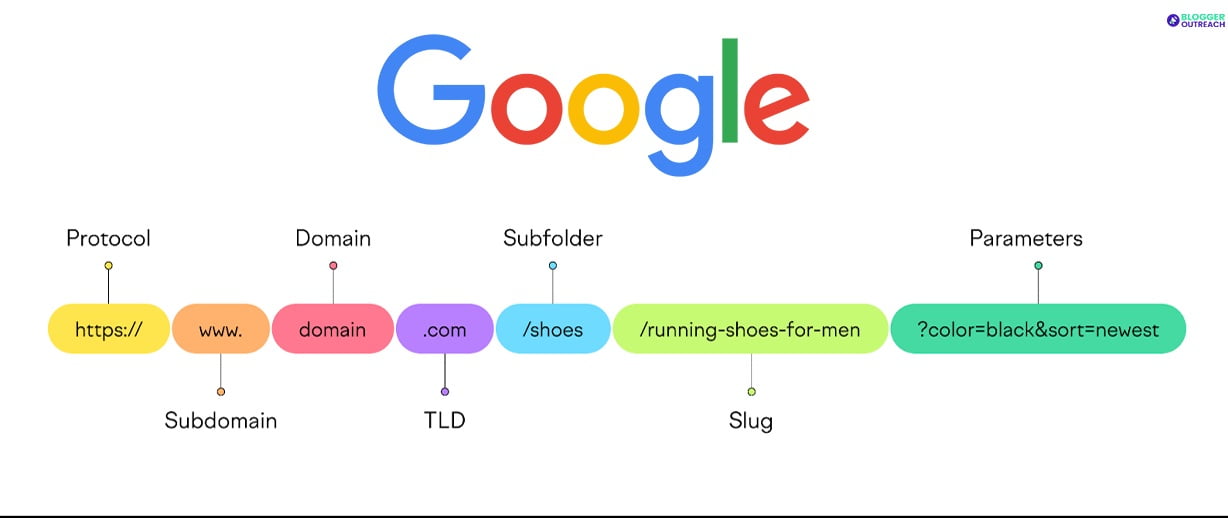
Every click counts in the digital world, so Google keeps refining its guidelines for SEO. This time, it's URLs. Google recently made clarifications regarding supported characters in URLs for Google Search.
These guidelines aim to create a more user-friendly experience and optimize your website's ranking. So, let's dive into the details and explore the dos and don'ts of URL structures according to Google.
(i) Following RFC 3986 Standards: Google emphasizes that URLs should adhere to the Request for Comments (RFC) 3986 standards. You should percent-encode reserved characters in URLs, while unreserved ASCII characters don't need to. It keeps the URL format consistent and prevents special characters from causing problems during indexing.
(ii) UTF-8 Encoding For Non-ASCII Characters: Google recommends UTF-8 encoding for URLs with non-ASCII characters, like special symbols. This encoding standard ensures that characters from various languages correctly represent the URL. As a result, users from worldwide can access your content effortlessly.
(iii) Simplicity Is The Key: To deliver a user-friendly experience, Google advises website owners to make their URLs easy for humans to understand. A simple URL not only makes it easier for visitors to understand what's on a page but also makes it more shareable.
(iv) Maintain Consistent Letter Case: You should convert all the text in the URL to the same case if your server treats the upper and lower case the same. For example, if your URL includes "BestProduct," make sure it's either lowercase ("bestproduct") or uppercase ("BESTPRODUCT"). Identifying and consolidating URLs with the same content helps Google avoid duplicate content issues.
Highlights
- Google's recent clarifications on URL structure guidelines bring some essential points to light. Using UTF-8 for non-ASCII characters and RFC 3986 for reserved characters ensures universal accessibility for your URLs.
- You'll get more shares and engagement if you have a simple, user-friendly URL structure. Consistency in letter cases eliminates potential duplicate content problems and improves Google's understanding of your website.
- Using these guidelines in your URL strategy can increase your website's ranking potential and enhance the user experience. Remember, it's all about optimizing for users while staying in tune with Google's best practices.